%2Ffit-in%2F250x250%2Fguide_websites%2F20600%2Fimages%2F1737125734957masongensam.png&w=1920&q=100)
Striped Marlin Release in Welches OR
Striped Marlin Fishing in Welches - What to Expect
%2F%2Fusers%2F10fd7e25-1b7c-4913-b52e-108ad88cbc9f%2Fimages%2Fstriped-marlin-catch-release-welches-2480.jpg&w=1920&q=75)
Guided Fishing Trip by Guide Mason Gensman in June
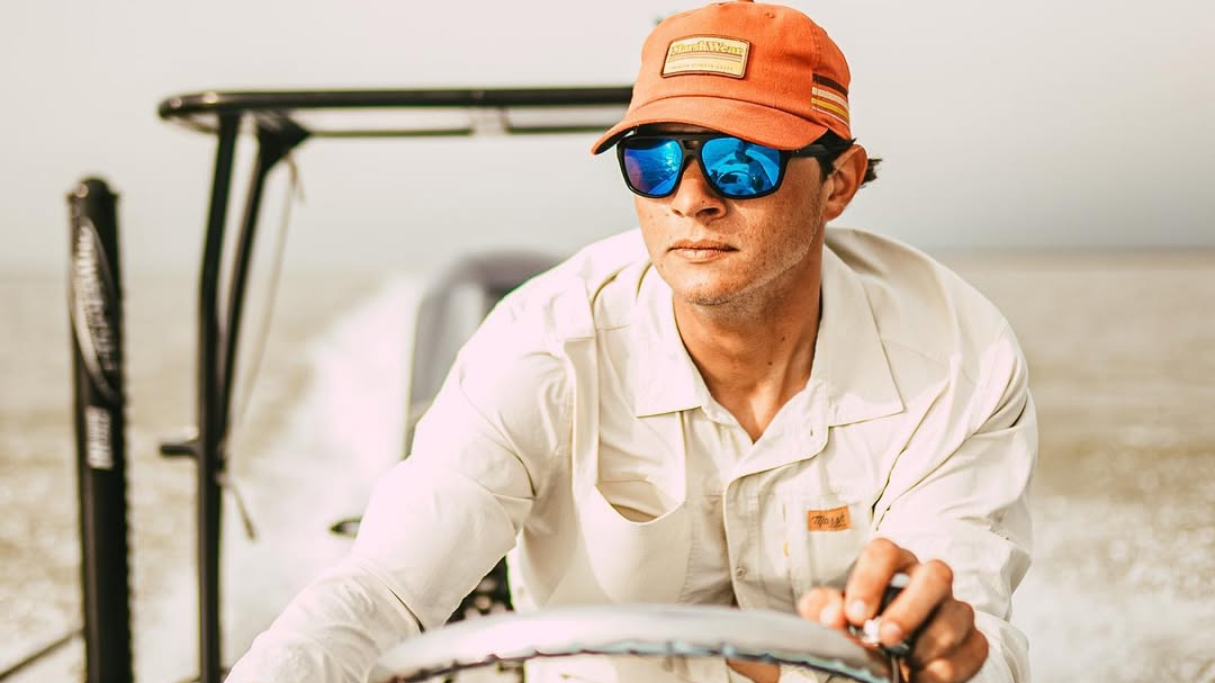
Meet your Guide Mason Gensman
- Experience The Top Rated Oregon Fly Fishing Guide


Summary
Join a guided fishing trip in Welches on Thursday, June 19th and experience the raw excitement of battling a striped marlin offshore. This deep sea adventure showcases the thrill of landing powerful game fish while practicing catch-and-release techniques in prime Oregon waters.
Deep Sea Fishing with Mason Gensman - Rates & Booking
Guide Mason Gensman of Mason Gensman Professional Flyfishing Guide operates guided fishing trips on Thursday, June 19th targeting some of Oregon's most aggressive and acrobatic game fish. This deep sea experience puts you directly in the hunt for striped marlin, one of the most thrilling catches in saltwater fishing. To book your spot and secure rates for this guided adventure, contact the guide directly through Mason Gensman Professional Flyvishing Guide.
Highlights of Deep Sea Fishing Adventure
The striped marlin is one of the ocean's most explosive fighters. These powerful fish are known for their lightning-fast runs, dramatic tail walks, and relentless aerial displays that test both your equipment and your endurance. Fishing in Welches waters puts you on the edge of excitement, where each hookup could deliver an unforgettable battle.
Beyond the strike, this guided trip emphasizes the responsible release of these magnificent fish, ensuring they return to the ocean to fight another day. The combination of prime offshore conditions, expert guidance, and the raw power of striped marlin makes this one of Oregon's premier deep sea fishing experiences.
Local Species Insights: Striped Marlin
Striped marlin are built for speed and power. These fish typically inhabit offshore waters where deep currents collide with shallow shelf breaks, creating ideal feeding zones. They hunt aggressively during peak feeding hours, responding with intensity to live bait and artificial lures. When hooked, they display the remarkable behavior that makes them legendary among anglers - explosive runs, sharp turns, and dramatic jumps that can launch them several feet into the air.
The offshore environment around Welches offers excellent conditions for targeting these fish. The water temperature, depth profile, and natural baitfish populations create a perfect storm for marlin activity. Guided trips work prime feeding zones where striped marlin congregate, dramatically increasing your chances of connecting with one of these trophy fish. The experience requires alertness, technique, and physical commitment - but the payoff is pure adrenaline.
These fish are not casual biters. They strike with conviction and fight with purpose. A striped marlin on the line means you're in for a serious battle that demands every ounce of your attention and skill. This is what separates deep sea fishing from casual angling - the intensity, the stakes, and the sheer power of the fish on the other end.
Working with an experienced guide like Mason Gensman puts you in position to understand striped marlin behavior, recognize prime fishing windows, and execute the techniques that lead to successful hookups. From reading water conditions to positioning the boat for optimal strikes, every element of a guided trip is designed to maximize your chance at landing one of these incredible fish.
Fishing in Oregon: Striped Marlin
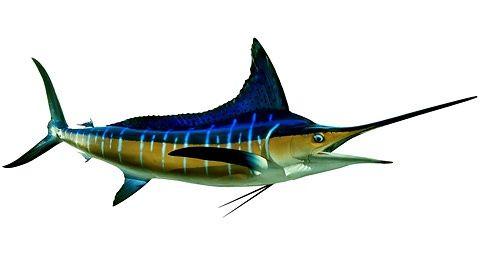
Striped Marlin (Kajikia Audax) represents one of the most iconic and visually stunning members of the Billfish family within the order Perciformes and family Istiophoridae. Known for their distinctive pale blue stripes that persist even after death, these apex predators are highly prized by anglers and seafood enthusiasts alike. What sets the Striped Marlin apart from its cousins—the Blue, Black, and White Marlins—is not just the striking striped pattern that adorns its sleek body, but also its torpedo-like silhouette, pointed pectoral fins, and narrow lower jaw. Found in warmer ocean waters and famous for their acrobatic displays during capture, Striped Marlins are particularly abundant in destinations like Cabo San Lucas, Mexico, making them a bucket-list experience for sport fishermen worldwide.
Striped Marlin Overview
The Striped Marlin is often celebrated as the most beautiful among all marlin species, commanding respect and admiration from both recreational and commercial anglers. This billfish thrives in tropical and subtropical waters, where it reigns as an apex predator at the top of the marine food chain. Unlike many fish species, Striped Marlins maintain consistent dietary preferences regardless of age, making them somewhat predictable yet still challenging to catch. Their compressed, streamlined body is specifically adapted for speed and agility in open ocean environments, allowing them to execute spectacular leaps and dives that have made them legendary in fishing culture.
Striped Marlin Habitat and Distribution
Striped Marlins are migratory fish that follow warmer ocean currents throughout tropical and subtropical regions worldwide. The most renowned hotspot for encounters is Cabo San Lucas, Mexico, where these magnificent fish pass through consistently from February through August before retreating to deeper waters as temperatures cool. They prefer onshore and near-shore environments where their preferred prey—schools of tuna and sardines—congregate. The Pacific coast of Central and North America provides exceptional seasonal opportunities, while these fish also inhabit waters around the Indian Ocean and parts of the Atlantic. The warmer the water, the more active and abundant the Striped Marlin populations become, which is why winter and early spring represent peak seasons in traditional marlin hotspots.
Striped Marlin Size and Weight
Striped Marlins are impressive in scale, with average specimens measuring around 137 to 165 inches in length (approximately 11 to 14 feet). Weight typically ranges from 417 to 440 pounds on average, though the exact size varies significantly based on geographic location and seasonal factors. Their torpedo-shaped body, while appearing slender and compressed compared to other marlins, houses considerable muscle mass and power. The elongated bill accounts for a substantial portion of their length, and when these fish launch themselves from the water in their famous aerial displays, their full size becomes dramatically apparent. Larger specimens exceeding these averages are occasionally encountered, making each expedition a potential record-breaking opportunity.
Striped Marlin Diet and Behavior
As apex predators, Striped Marlins feed primarily on schools of fish such as tunas, sardines, and other schooling species. Notably, their dietary preferences remain consistent throughout their lives, unlike some fish that shift feeding patterns as they mature. These fish are not particularly selective eaters and will consume a variety of prey items, and there are documented reports of Striped Marlins even preying on smaller sharks that lurk near the surface. Their hunting strategy relies on their exceptional speed and agility—the torpedo-like body shape maximizes velocity, while flexible pointed pectoral fins provide precise maneuverability. When hooked, Striped Marlins are famous for their dramatic fighting behavior, performing multiple aerial jumps, barrel rolls, and head shakes that can either dazzle anglers or spell disaster for fishing tackle. Their behavior patterns are highly influenced by water temperature and seasonal prey availability.
Striped Marlin Spawning and Seasonal Activity
Striped Marlins are highly migratory fish, moving through ocean waters in response to temperature changes and food availability. In regions like Cabo San Lucas, the prime season extends from February through August, when water temperatures are optimal and baitfish populations peak. As cooler weather approaches and ocean temperatures drop, these fish migrate to deeper or warmer waters, effectively disappearing from traditional fishing grounds. Spawning behavior typically occurs in warmer months and deeper offshore environments. Understanding these seasonal movements is critical for successful angling, as timing your fishing expedition to coincide with the Striped Marlin's presence in a particular region dramatically improves your odds of encounter and success.
Striped Marlin Techniques for Observation and Capture
Method 1: Binocular Spotting and Visual Hunting — Rather than attempting to spot Striped Marlins by eye alone, use quality binoculars to scan the water for their distinctive movement patterns and surface disturbances. These fish often hunt in predictable areas, and experienced guides recommend positioning yourself to face downwind, where the fish tend to cut through the water with less resistance. Look for their characteristic bill breaks, splash patterns, and the occasional aerial jump. Many successful anglers prefer team-based approaches, where multiple spotters increase the likelihood of locating these elusive predators before they disappear beneath the surface.
Method 2: Pelagic Long Lining and Hook-and-Line Techniques — Deploy multiple fishing lines baited with live baitfish, particularly skipjack tuna and sardines, which are natural prey items that attract Striped Marlins to your location. Pelagic long-line fishing mimics natural hunting conditions and allows you to cover more water. Alternatively, the hook-and-line method involves setting out several lines with live bait scattered across the fishing zone. The presence of feeding skipjack tuna often signals the arrival of hunting Striped Marlins, as both species target similar prey. Heavy-duty tackle is absolutely essential, as these fish generate tremendous force capable of snapping standard gear with just a few powerful strikes.
Method 3: Offshore Trolling in Known Hotspots — Troll artificial lures or rigged natural baits while moving through proven Striped Marlin territory. In Cabo San Lucas during peak season (February through August), experienced captains know the precise underwater structures and current breaks where Striped Marlins congregate. This method is particularly effective when combined with strategic positioning relative to wind direction. Early morning and late afternoon hours typically produce the most activity, and patience combined with persistence is often rewarded with strikes from these magnificent apex predators.
Striped Marlin Culinary and Utilization Notes
Striped Marlin holds excellent reputation in culinary applications and is highly prized for its meat quality. In Japanese cuisine, this species is traditionally prepared as Nairagi, a premium sushi and sashimi ingredient known for its delicate flavor and firm texture. The meat tastes somewhat similar to swordfish but with a more pronounced and robust flavor profile that appeals to adventurous diners. The nutritional value is substantial, offering high-quality protein and omega-3 fatty acids. However, due to their position as apex predators, some caution regarding mercury content applies—particularly for vulnerable populations. Many regions maintain strict regulations on Striped Marlin harvest to ensure sustainable populations, so always verify local regulations before retaining any catch.
Striped Marlin Frequently Asked Questions
Q: What is the best bait and tackle for catching Striped Marlin?
A: Live baitfish—particularly skipjack tuna and sardines—are the most effective natural baits. Use heavy-duty conventional reels with braided line, robust rods rated for large game fish, and quality ball-bearing roller guides to handle the intense pressure these fish generate. Terminal tackle should include heavy monofilament leaders and large, corrosion-resistant hooks or lures. The equipment needs to withstand not just the fish's weight but its powerful, acrobatic fighting style.
Q: Where can I find Striped Marlin near Cabo San Lucas?
A: Cabo San Lucas is prime Striped Marlin territory from February through August, with the peak season typically occurring in spring and early summer. Charter boats operate from the marina, and experienced captains know the underwater formations and current breaks where these fish congregate. The waters off Cabo San Lucas's southern tip, where the Pacific Ocean meets the Sea of Cortez, consistently produce encounters with Striped Marlins during the optimal season.
Q: Is Striped Marlin good to eat?
A: Absolutely. Striped Marlin is considered excellent table fare and is prized in Japanese cuisine as Nairagi. The meat is firm, flavorful, and suitable for sushi, sashimi, grilling, and broiling. Many professional chefs favor it for its distinct taste that surpasses swordfish in flavor intensity. However, consume in moderation due to potential mercury content, particularly for pregnant women and young children.
Q: When is the best time to observe or catch Striped Marlin?
A: Peak season in most traditional hotspots runs from February through August, with spring and early summer typically producing the most consistent action. Water temperatures must remain warm—ideally 70°F (21°C) or higher—and baitfish populations need to be abundant. Time your fishing trips for early morning and late afternoon hours when Striped Marlins are most actively hunting near the surface.
Q: How do I distinguish a Striped Marlin from a Blue Marlin?
A: The most obvious distinction is the pale blue striping that adorns the Striped Marlin's body—these stripes persist even after death. Striped Marlins have a more compressed, torpedo-shaped body compared to the Blue Marlin's rounded profile. Additionally, Striped Marlins possess pointed pectoral fins rather than the foldable, scythe-shaped fins of their Blue cousins, and their lower jaw is narrow and pointed rather than broad and short.
Q: What is the record size for Striped Marlin, and how challenging are they to land?
A: While average Striped Marlins range from 137 to 165 inches and weigh 417 to 440 pounds, larger specimens exceed these measurements. These fish are exceptionally challenging to land due to their tremendous fighting power, acrobatic displays involving multiple aerial jumps, and ability to break standard tackle with concentrated effort. Landing a Striped Marlin typically requires 30 minutes to several hours of intense physical exertion and expert boat handling, making them the ultimate test of an angler's skill and endurance.